Key takeaways
Fill, sign, and submit Sedation and Anesformsia Record from any browser — or have AI generate a custom version in seconds. No installs, no printing, no back-and-forth.
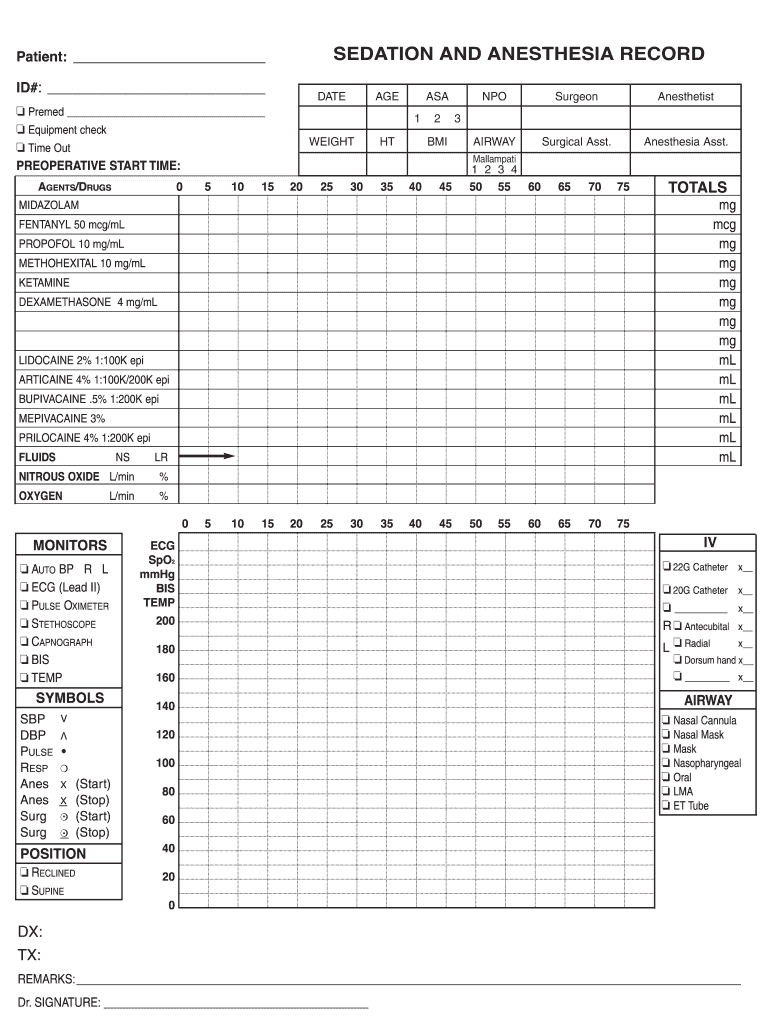
- The Sedation and Anesthesia Record chronologically documents patient care, medications, and physiological status during all phases of anesthesia services.
- Anesthesiologists and Certified Registered Nurse Anesthetists must complete and sign this record to verify the provider of anesthesia care.
- The form requires detailed information on pre-anesthetic evaluations, intra-operative monitoring, and the patient’s condition during post-anesthetic recovery.
- Properly maintained records support medical necessity for billing and ensure compliance with Centers for Medicare & Medicaid Services standards.
- This documentation is a critical component of the patient's medical record and helps ensure safety and adherence to professional standards.
- Failure to provide accurate documentation may lead to Medicare claim denials, recovery of overpayments, or disciplinary action by state boards.
What is Sedation and Anesformsia Record?
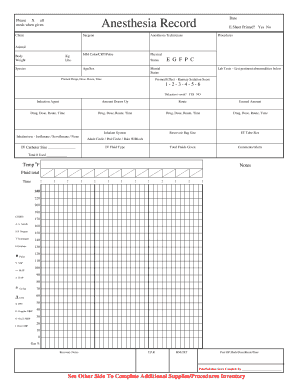
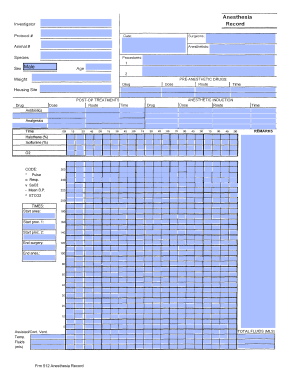
Sedation and Anesthesia Record is a comprehensive medical document used to record the administration of anesthesia services to patients during surgical or diagnostic procedures. This record serves to ensure patient safety and verify medical necessity in accordance with federal billing and state practice standards. It creates a detailed chronological account of the clinical care provided, including the patient's condition and any interventions performed. To satisfy regulatory requirements, the document must be signed by the anesthesiologist or Certified Registered Nurse Anesthetist who provided the anesthesia care.
The document captures critical data across three distinct phases of care: pre-anesthetic evaluation, intra-operative monitoring, and post-anesthetic evaluation. It details relevant medical history, physical examinations, and the specific anesthesia plan before the procedure begins. During the operation, the anesthesia record form tracks physiological parameters, the timing of drug administration, and the total duration of anesthesia provided. Finally, it records the patient's status upon discharge from the recovery area to maintain a complete clinical history and support compliance with federal healthcare standards.
Issued by the Centers for Medicare & Medicaid Services (CMS).
Who needs the Sedation and Anesformsia Record — and who doesn't
Not everyone files Sedation and Anesformsia Record. The checklist below tells you whether it applies to your situation — and points you to the right alternative if it doesn't.
You need this Sedation and Anesformsia Record if…
- You are an anesthesiologist or Certified Registered Nurse Anesthetist (CRNA) providing anesthesia services and must sign the record to clearly identify yourself as the care provider.
- You are documenting a pre-anesthetic evaluation that includes the patient's medical history, the intended anesthesia plan, and informed consent.
- You must record intra-operative monitoring data, such as the patient's physiological status and the specific time of drug administration.
- You are performing a post-anesthetic evaluation to document the patient’s condition upon discharge from the recovery area.
- You need to maintain documentation for Medicare billing compliance to support medical necessity and prevent the potential denial of claims.
You do not need this Sedation and Anesformsia Record if…
- You are a healthcare professional who is not responsible for the administration or monitoring of anesthesia during a medical procedure.
- The clinical service being performed does not involve sedation or anesthesia that requires formal physiological tracking.
Why you need the Sedation and Anesformsia Record
Why people fill out Sedation and Anesformsia Record, and what tends to go wrong when they don't.
-
Clinical Care Continuity This record provides a chronological account of the patient's physiological status and drug administration. It ensures safety by documenting monitoring from the pre-anesthetic evaluation through the post-anesthetic recovery phase.
-
Billing Compliance Accurate documentation supports the medical necessity of anesthesia services for Medicare. Proper completion helps avoid the denial of claims, recovery of overpayments, and potential disciplinary actions from state boards.
-
Professional Accountability The record must be signed to clearly identify the anesthesiologist or Certified Registered Nurse Anesthetist. This ensures legal accountability for the specific anesthesia plan and interventions performed during the procedure.
-
Digital Document Management Using pdfFiller, providers can fill and edit this form in a browser. The platform enables the addition of legally binding e-signatures and allows for the secure sharing of completed medical records.
What each section of Sedation and Anesformsia Record means
Every section explained — what it's asking, the records you'll need on hand, and the mistakes that most often cause a rejection or follow-up request.
| Pre-anesthetic Evaluation Details | Include documentation of the patient's medical history, physical examination, and the planned surgical procedure. Specify the anesthesia plan and confirm that informed consent was received. |
|---|---|
| Intra-operative Monitoring Data | Detail the patient’s physiological status, the type of anesthesia provided, and the total duration. Record the exact time of administration for all drugs and agents. |
| Post-anesthetic Evaluation Status | Document the patient’s condition at the point of discharge from the recovery area to confirm their status after receiving anesthesia services during the procedure. |
How to fill out Sedation and Anesformsia Record using pdfFiller
A walkthrough from the first field to the signature line. With your records in front of you, most people finish in under ten minutes.
-
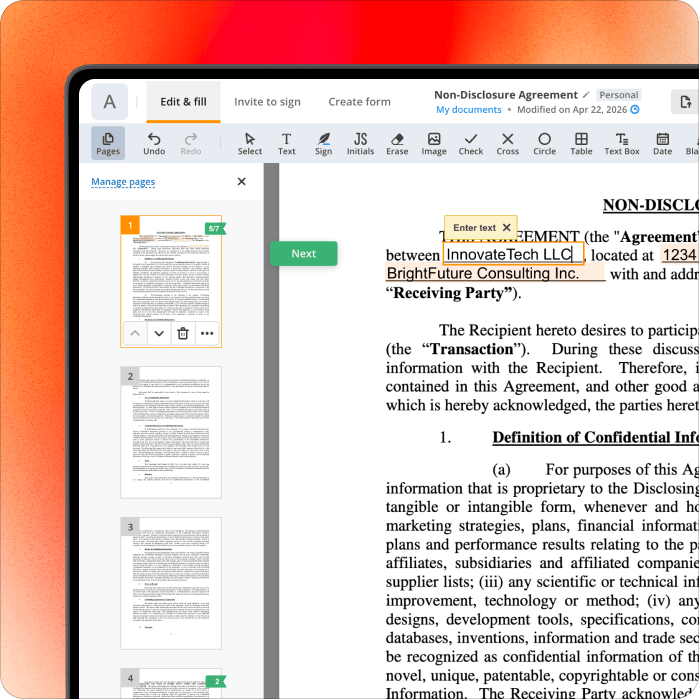
Open the Record Click Get Form to open Sedation and Anesthesia Record in the pdfFiller editor to begin documenting the patient's medical history and the planned surgical anesthesia procedure.
-
Pre-anesthetic Evaluation Details Use the text tool to fill out the pre-anesthetic evaluation, including physical examination results, the anesthesia plan, and confirmation that informed consent was obtained.
-
Intra-operative Monitoring Data Record intra-operative monitoring data by clicking the fields to enter physiological status, the time of drug administration, and the total duration of the anesthesia provided.
-
Post-anesthetic Evaluation Entry Complete the post-anesthetic evaluation by typing in the patient’s condition upon discharge from the recovery area to ensure the anesthesia record form is comprehensive and accurate.
-
Review and Annotate Review your anesthesia documentation form for accuracy, using the editor to add annotations or stamps if specific details require further clarification for the medical record.
-
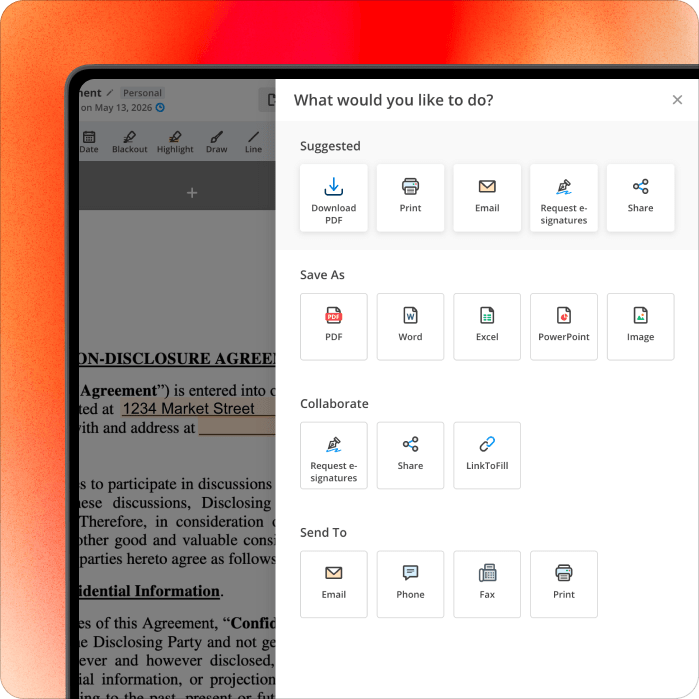
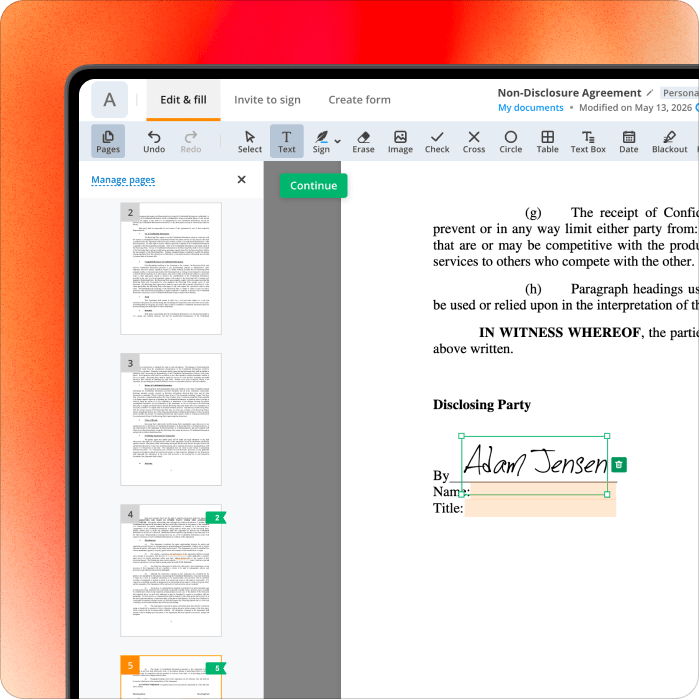
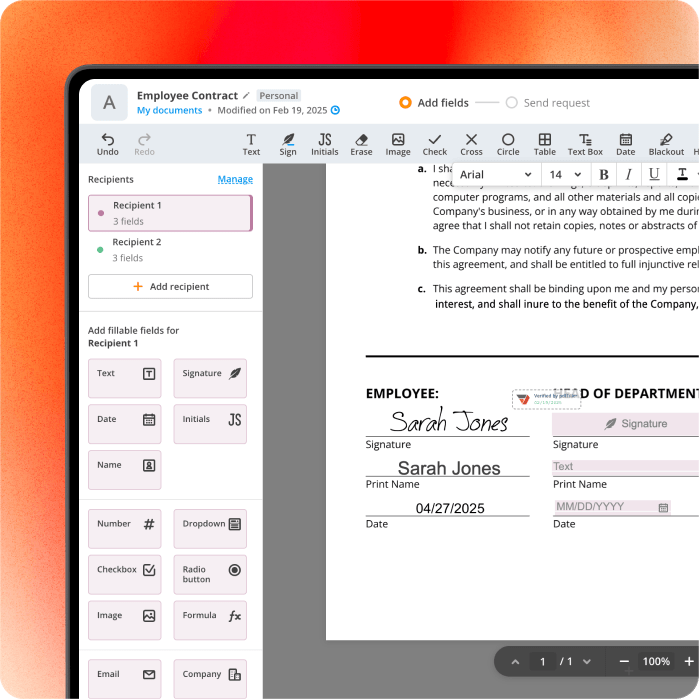
Sign and Share Add a legally binding eSignature to identify the provider, then send or share the completed PDF via email, link, or fax, or download the finished document.
Deadlines, key dates & penalties for Sedation and Anesformsia Record
When Sedation and Anesformsia Record is due, what late filing actually costs, and how to request more time if you need it.
| Penalties and Compliance | Failure to meet documentation standards for anesthesia services can lead to the denial of Medicare claims and the recovery of overpayments. Additionally, practitioners may face disciplinary action from state medical or nursing boards for non-compliance with record-keeping requirements. |
|---|
Key terms used in Sedation and Anesformsia Record
A one-sentence glossary of the Sedation and Anesformsia Record terms and concepts you'll see throughout this guide.
- Pre-anesthetic Evaluation
- Documentation of medical history, physical examination, planned surgical procedure, anesthesia plan, and informed consent before a procedure.
- Intra-operative Monitoring
- A record detailing physiological status, drug administration times, anesthesia type, and duration of anesthesia during a procedure.
- Post-anesthetic Evaluation
- Documentation that records the patient’s medical condition upon their discharge from the recovery area.
- CRNA
- A Certified Registered Nurse Anesthetist who provides anesthesia services and signs the sedation and anesthesia record.
- Anesthesia Plan
- A specific component of the pre-anesthetic evaluation required for documenting the patient's anesthesia services.
Frequently asked questions about Sedation and Anesformsia Record
Quick answers to the questions we hear most often about completing the Sedation and Anesformsia Record.
A Sedation and Anesthesia Record is a medical document that provides a chronological account of a patient's condition and the anesthesia services provided during a surgical procedure. It details medications administered, physiological parameters monitored, and interventions performed during the pre-operative, intra-operative, and post-operative phases of care to support clinical decision-making.
An anesthesia record form is used to ensure patient safety, document medical necessity for billing, and maintain compliance with federal and state practice standards. By providing a detailed history of the patient's physiological status and drug administration, the form serves as a vital component of the permanent medical record.
Anesthesiologists and Certified Registered Nurse Anesthetists (CRNAs) are responsible for completing the surgical anesthesia record when they provide anesthesia services. The document must be signed or otherwise clearly identify the specific physician or CRNA who managed the patient's care to ensure accountability and meet Centers for Medicare & Medicaid Services requirements.
A medical anesthesia form includes a pre-anesthetic evaluation, intra-operative monitoring data, and a post-anesthetic evaluation of the patient's condition. Specific details recorded include the patient's medical history, physical examination results, the time and dosage of all drugs administered, the duration of anesthesia, and the patient's status upon discharge from recovery.
Yes, you can fill out, edit, and sign a patient anesthesia record using pdfFiller’s online document management tools. The platform allows medical professionals to complete required fields in a browser, add a legally binding electronic signature, and share the finished PDF with other healthcare providers or administrative staff via links or email.
Incomplete documentation can lead to the denial of Medicare claims, the recovery of previous overpayments, and potential disciplinary action by state medical or nursing boards. Ensuring that every section of the record is accurately filled out and signed is essential for meeting the legal and regulatory standards set by the Social Security Act.